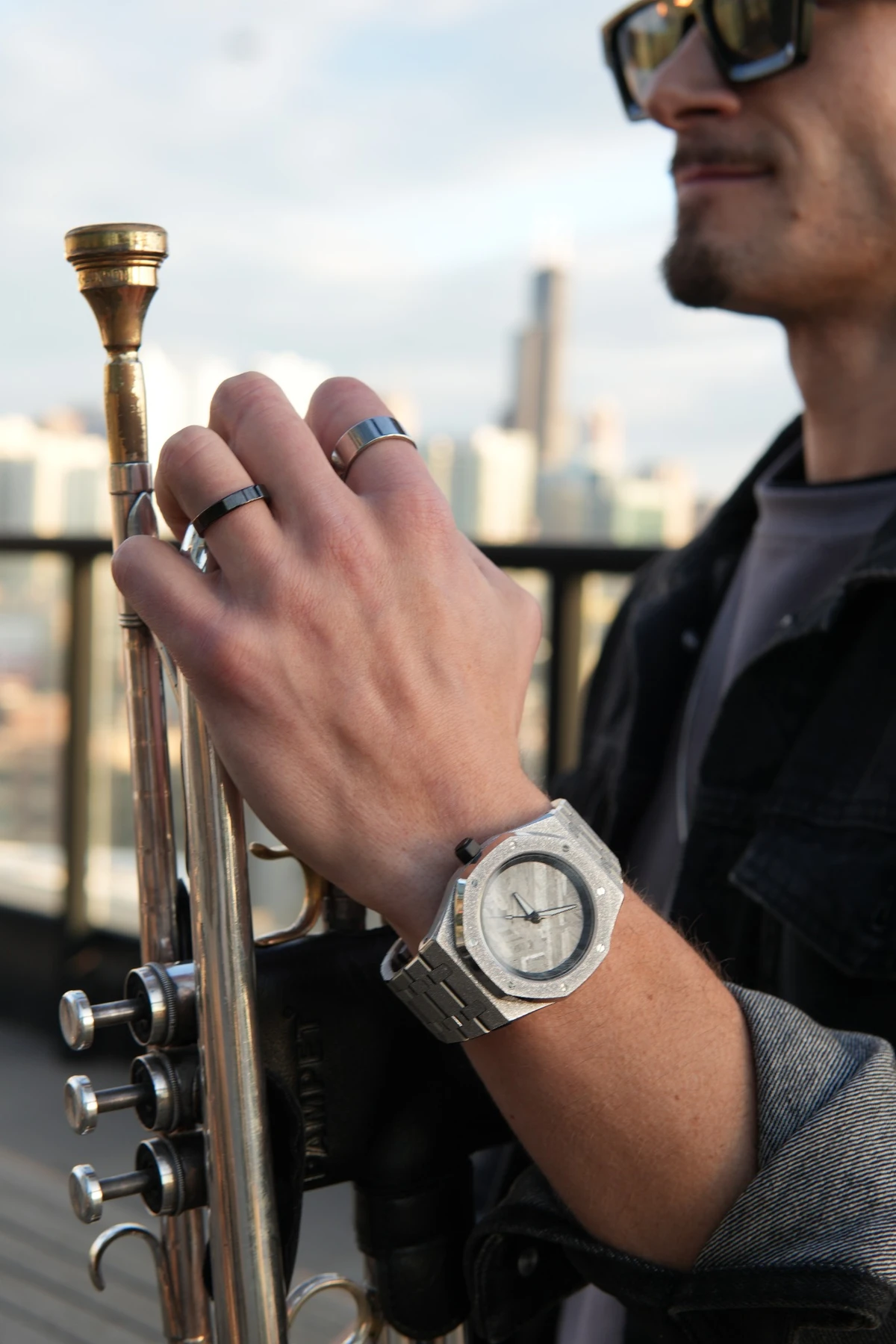
Built by Brothers in Chicago
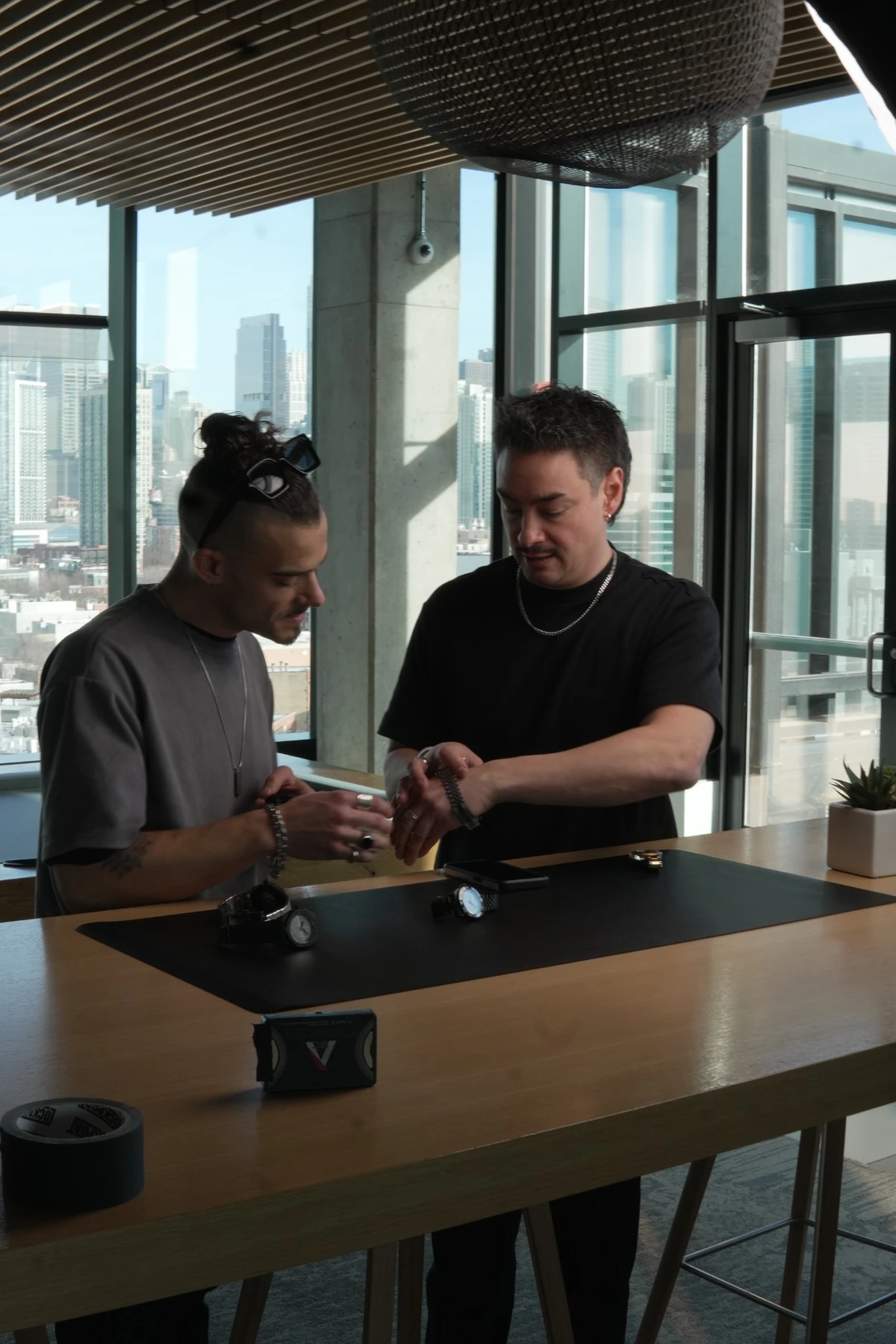
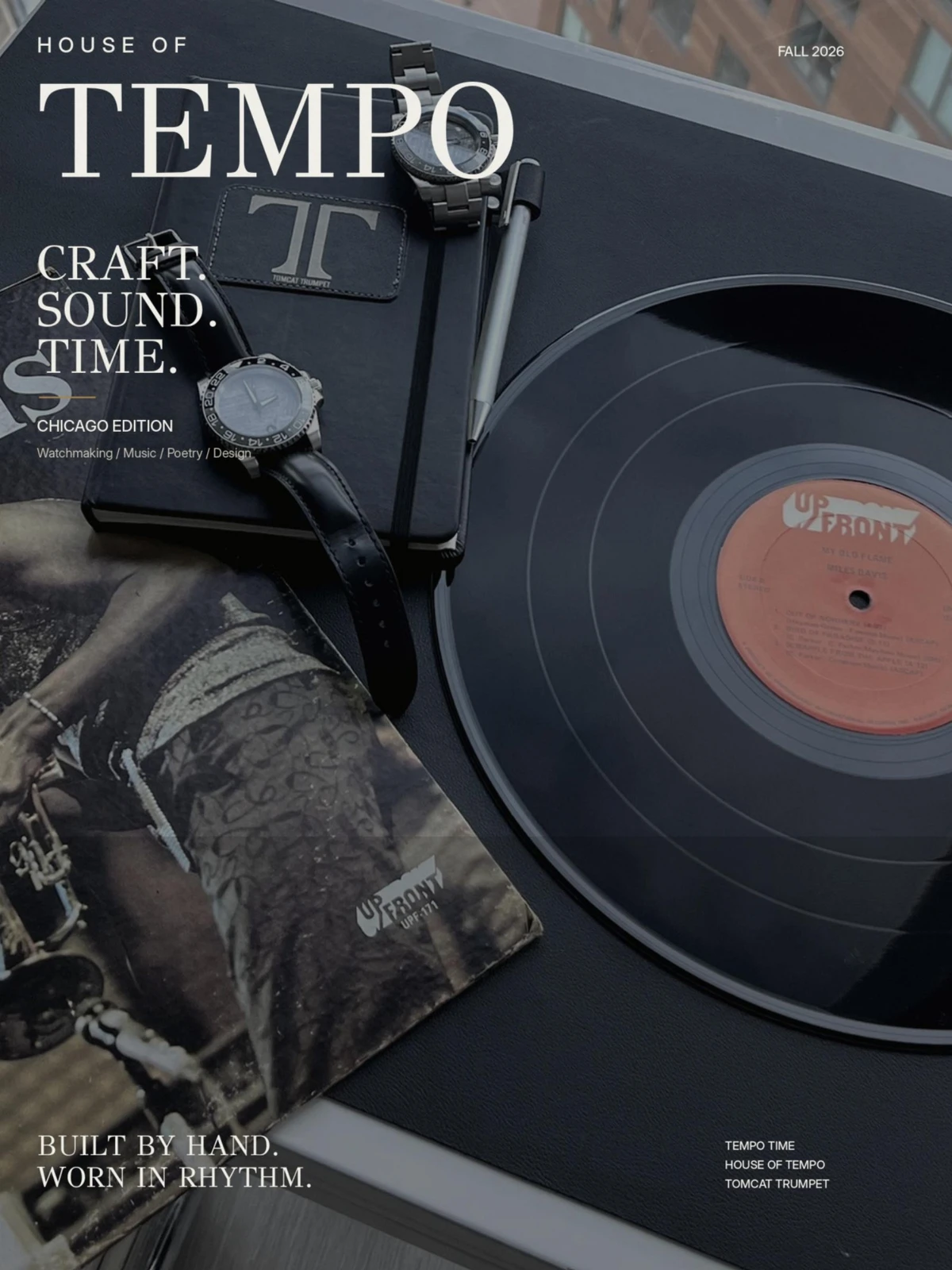
Tempo began in Chicago with my brother and me, but the idea was never simply to put another watch into the world. We wanted to make objects that felt composed: mechanical, material, and personal. Watches were the center of it, but not the whole picture. Music, design, the city, travel, notebooks, late-night conversations, and the way collectors actually live with an object all belonged in the same frame.
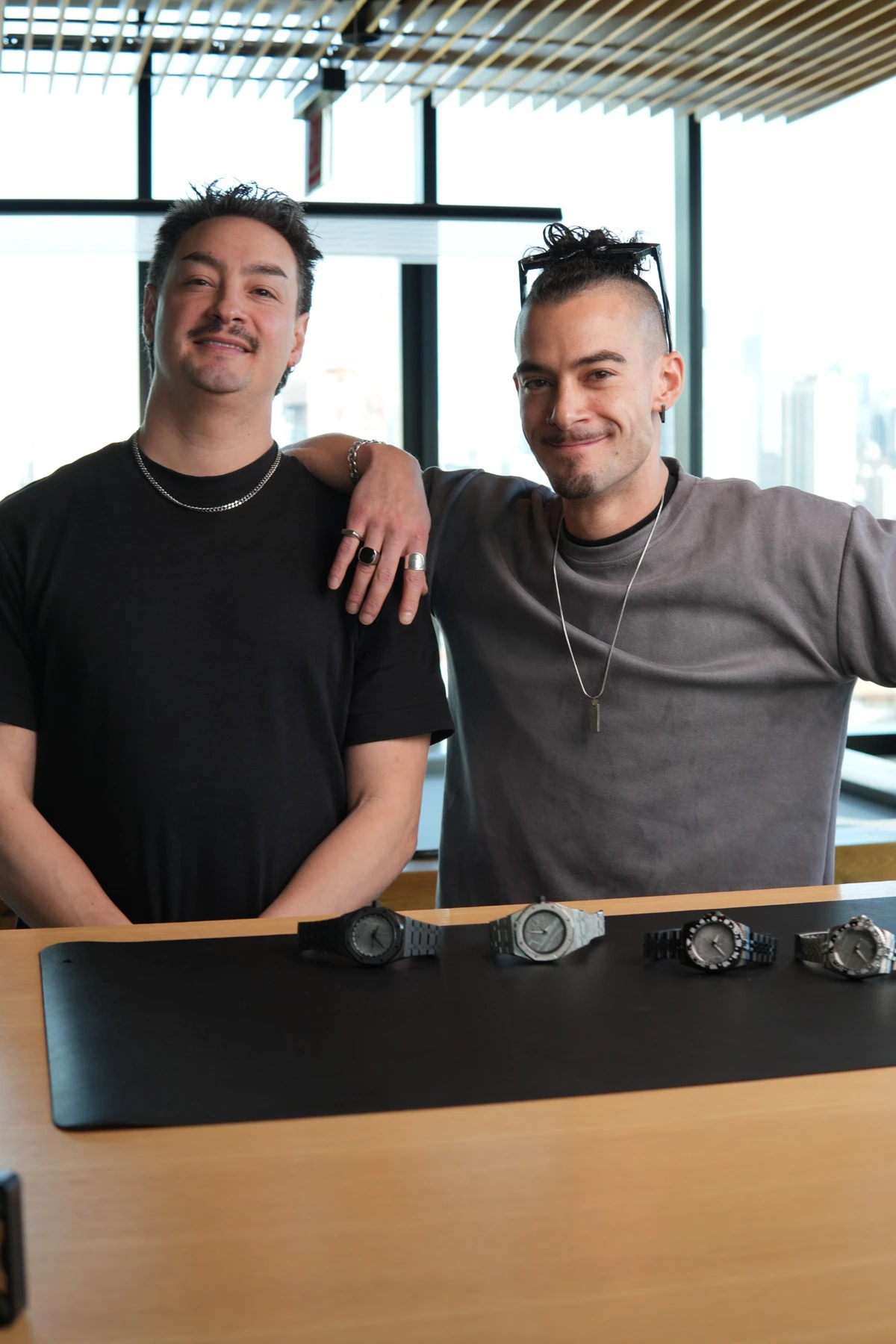
Two brothers, one point of view.
Tim and I do not approach Tempo from identical angles, and that difference is useful. One side of the brand is driven by visual composition, material, proportion, and the instincts that come from music. The other is equally concerned with how the brand meets people: what a collector sees, what they feel, and whether the experience has the same intention as the watch. The tension between those roles keeps the work honest. If an idea only looks good but does not feel right in the hand, it is not finished. If the story is stronger than the object, it is not finished either.
Chicago is not a costume.
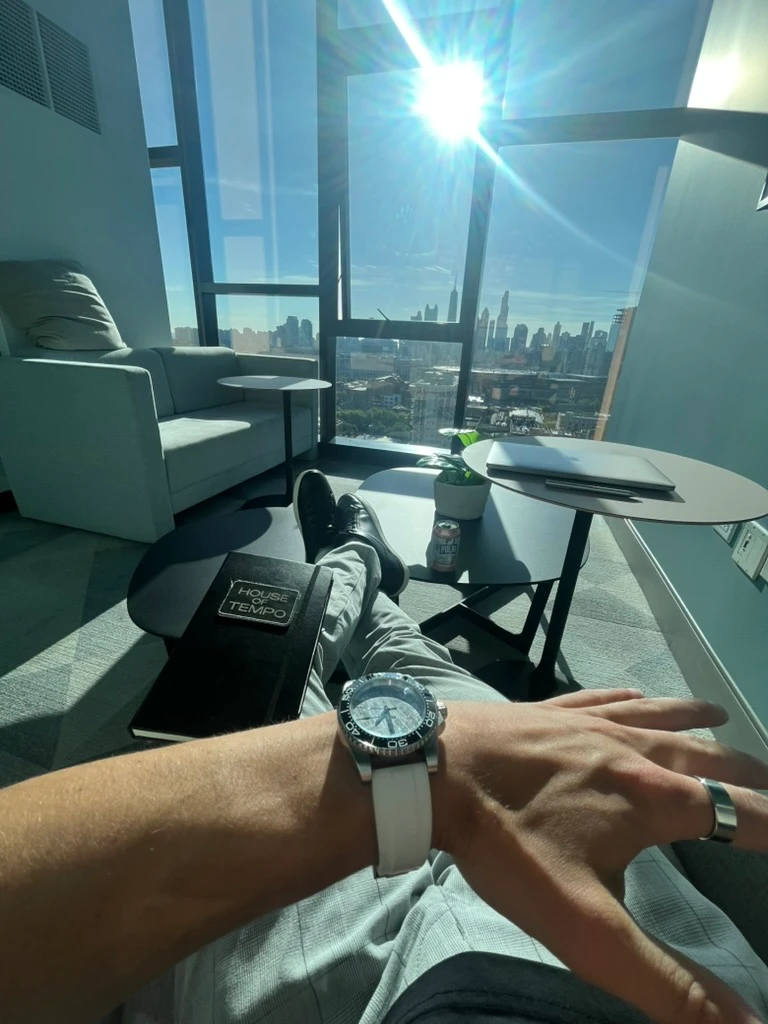
Tempo is rooted in Chicago, but we are careful with what that means. We are not interested in using the city as a slogan. It is where the cadence was formed: structure beside atmosphere, hard lines beside lake light, rooftops beside rehearsal rooms, architecture beside movement. We like objects that reveal themselves slowly. A watch should hold up from across a room, then reward the second look: the edge of a case, the behavior of a dial under changing light, the rhythm of the hands, the weight of a bracelet.
Celestial silence meets earthly cadence.
What we want a Tempo watch to feel like.
We do not want Tempo to feel like a logo placed on a generic object. We want the watch to carry a point of view before anyone reads the name. That means restraint matters. Proportion matters. The movement matters. Real material matters.
We are still building, and that is part of the value of an independent brand. Collectors can stay close to the evolution of the work and see what survives every revision. For us, the thing that survives is simple: the watch has to feel intentional. It has to feel mechanical. It has to feel like Tempo.
Back to essays
Meteorite Is Not a Surface Effect
There is an easy way to use meteorite in a watch: turn it into a visual slogan. Make the cosmic reference louder than the object and hope the story carries the design. That is not what interests us. At Tempo, meteorite matters because it behaves like a real material. It has structure, variation, depth, and a relationship with light that cannot be reduced to a printed effect.
Material before mythology.
Solaris, Opus, and Solaris Nocturne use genuine Muonionalusta meteorite dials. Its crystalline pattern is part of the material itself. That distinction matters because a dial is one of the most intimate surfaces in a watch. You see it at arm's length, then again inches from your face. It changes as the wrist turns. It catches a window, a lamp, a streetlight. A good dial should have more than one reading.
Meteorite gives us that naturally. In one angle the structure can feel almost restrained; in another it becomes graphic and active. The surface does not need artificial drama. Our job is to frame it with the right case, hands, indices, and proportions so the material stays present without becoming costume.
Older than the object. Alive in every dial.
Why it belongs with mechanical movement.
The pairing of meteorite and automatic mechanical movement is one of the central tensions in Tempo. The dial carries a structure that existed long before the watch. Underneath it is a system working right now: winding, releasing energy, moving the hands forward. One is almost silent. The other is mechanical and rhythmic. Together they create the meeting point we keep returning to: deep material history above, present-tense cadence underneath.
Different cases, different readings.
Moonveil Momentum lets us study that idea in different registers. Solaris places genuine Muonionalusta against stainless steel and a Jubilee bracelet. Opus warms it with a 40mm PVD gold case and sapphire crystal. Solaris Nocturne pushes the dial into shadow with a 40mm PVD black case, black details, and two bracelet options. Apex Nocturne takes the broader meteorite language into a sharp 41mm bezel-less black architecture.
When a material already carries this much visual information, restraint becomes part of the design. We do not need to add a galaxy to the dial or explain the cosmos every time the watch appears. The material can carry its own weight. Tempo's role is to give it structure, mechanical rhythm, and a point of view strong enough to stand beside it.
Back to essays
Four Watches, One Point of View
Moonveil Momentum brings Apex Nocturne, Solaris, Opus, and Solaris Nocturne into one collection. Shared mechanics and material carry through four different approaches to the case, finish, and bracelet.
One collection, four attitudes.
The common ground is deliberate. The current four models use automatic mechanical movements with 40-hour power reserves. Meteorite runs through the collection as a visual and material center, with genuine Muonionalusta in Solaris, Opus, and Solaris Nocturne. Around that center, we change proportion, finish, bracelet, and tone. Those changes decide how the watch reads before anyone studies the specifications.
One collection. Four attitudes.
Apex Nocturne / Solaris.
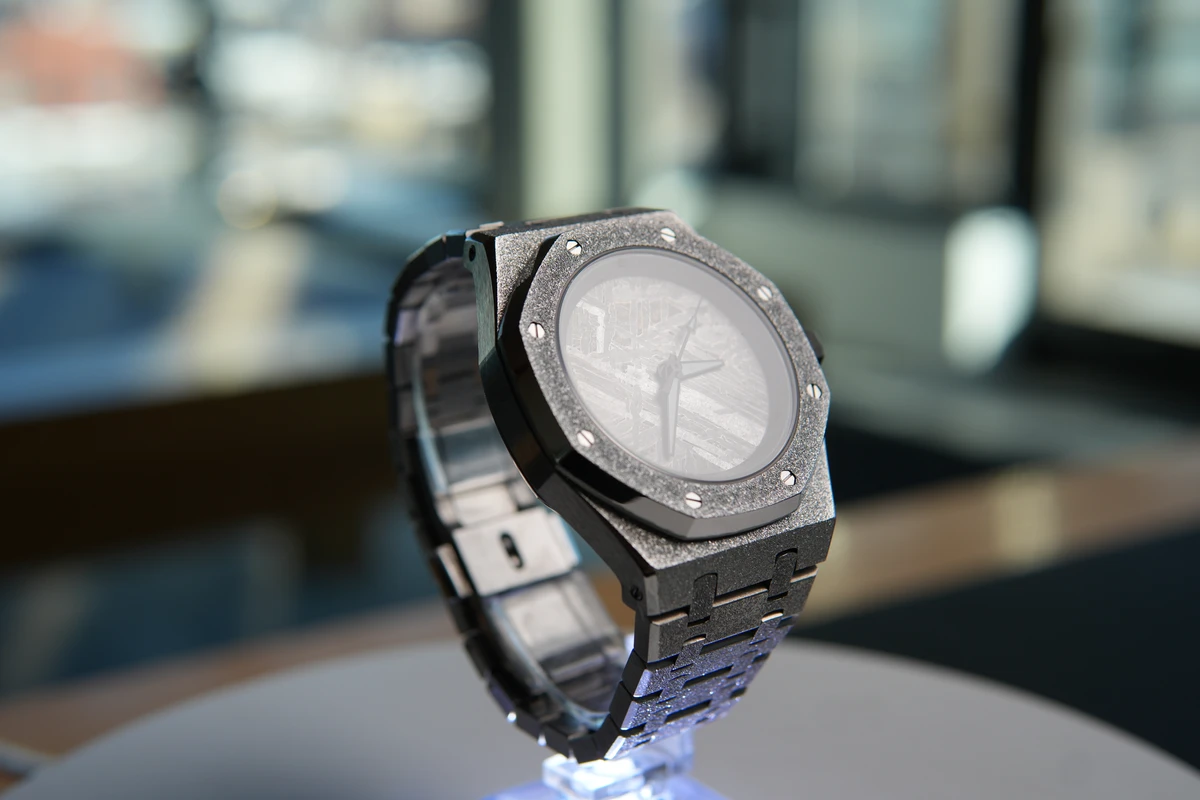
Apex Nocturne is the most architectural: a 41mm black case, bezel-less construction, meteorite dial, 24-jewel automatic movement, and 40-hour reserve. We wanted the case to feel drawn rather than decorated: sharp enough to hold its own, quiet enough to let the dial move when the light changes.
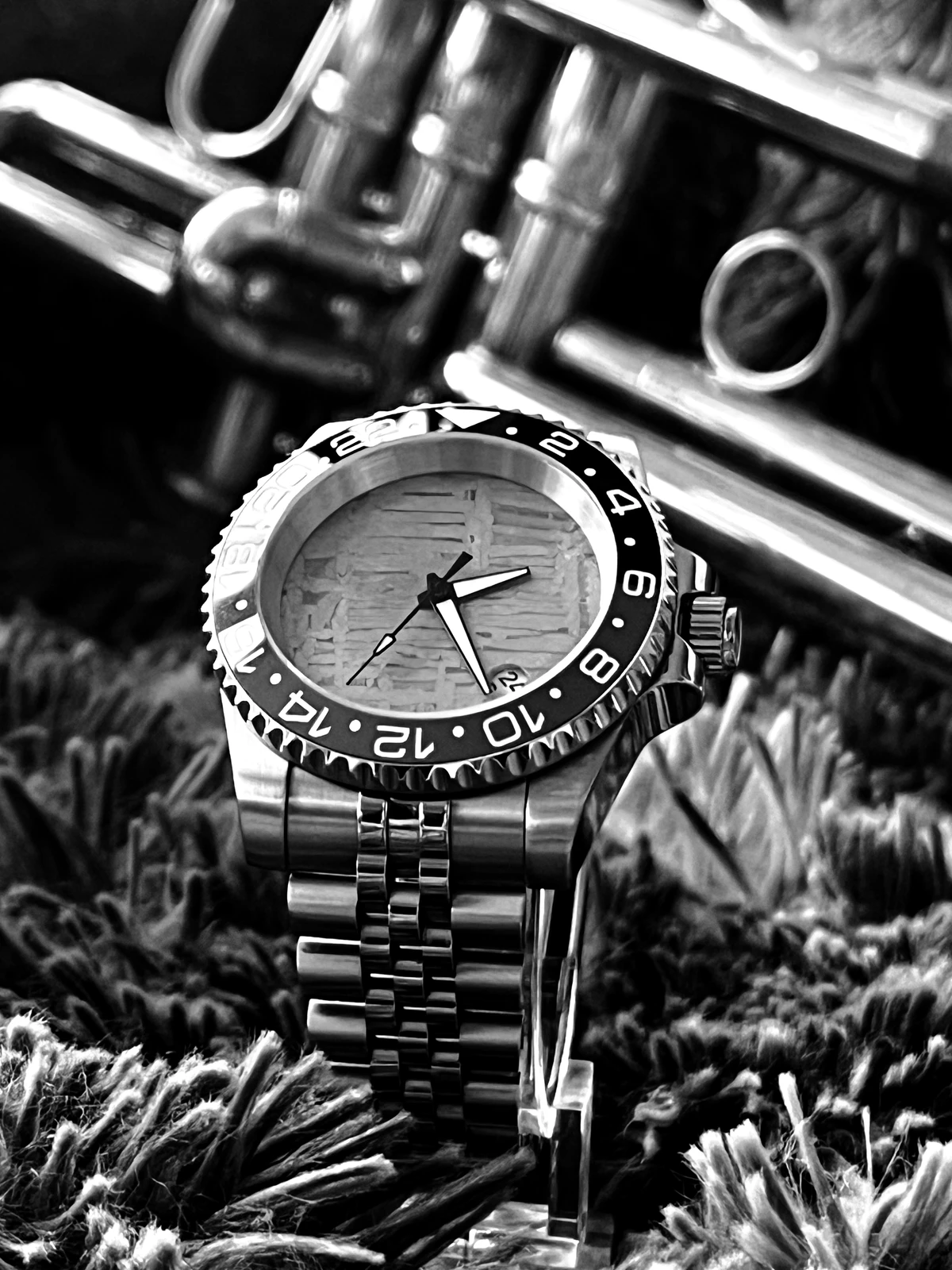
Solaris is the collection in daylight. Its 40mm stainless-steel case and Jubilee bracelet give the watch a brighter, more fluid presence. Genuine Muonionalusta meteorite sits inside that reflective structure without becoming overly formal. A 24-jewel automatic movement and 40-hour reserve keep the mechanics in the same Tempo cadence.
Opus / Solaris Nocturne.
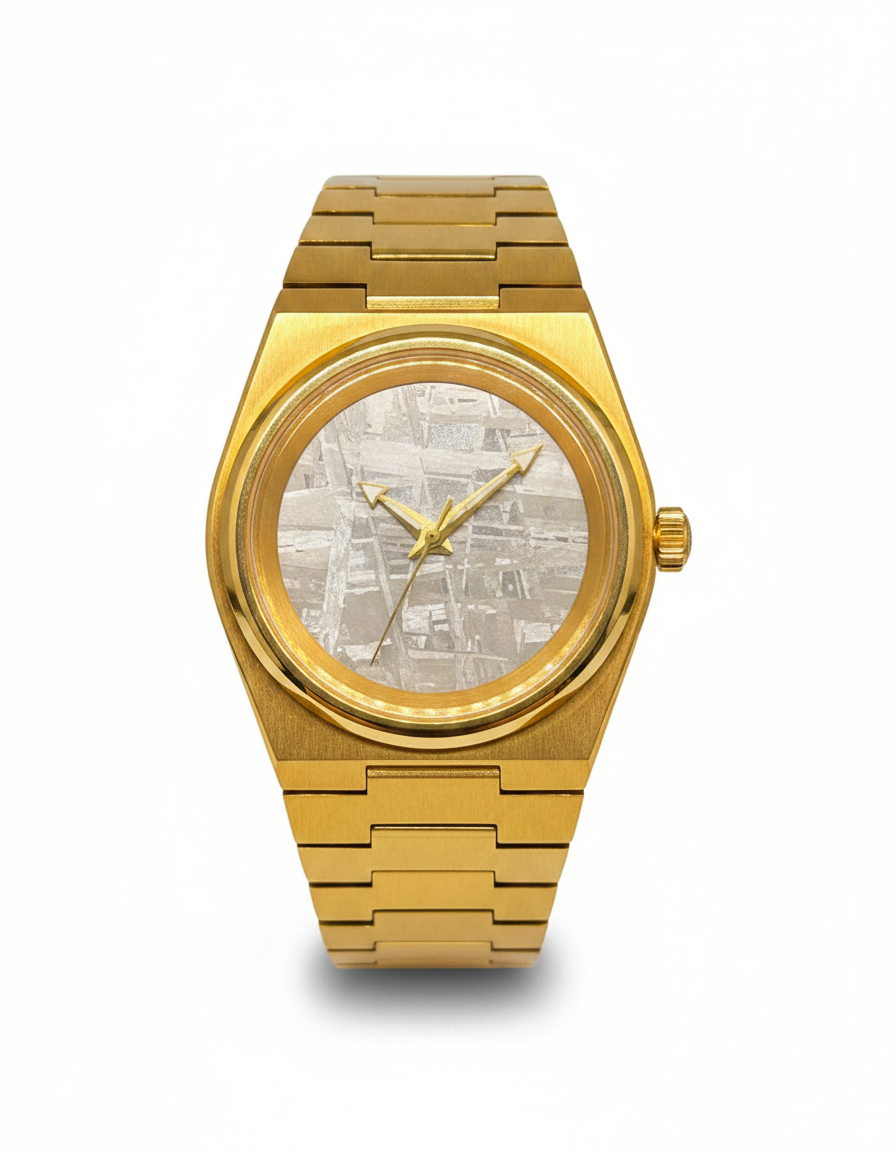
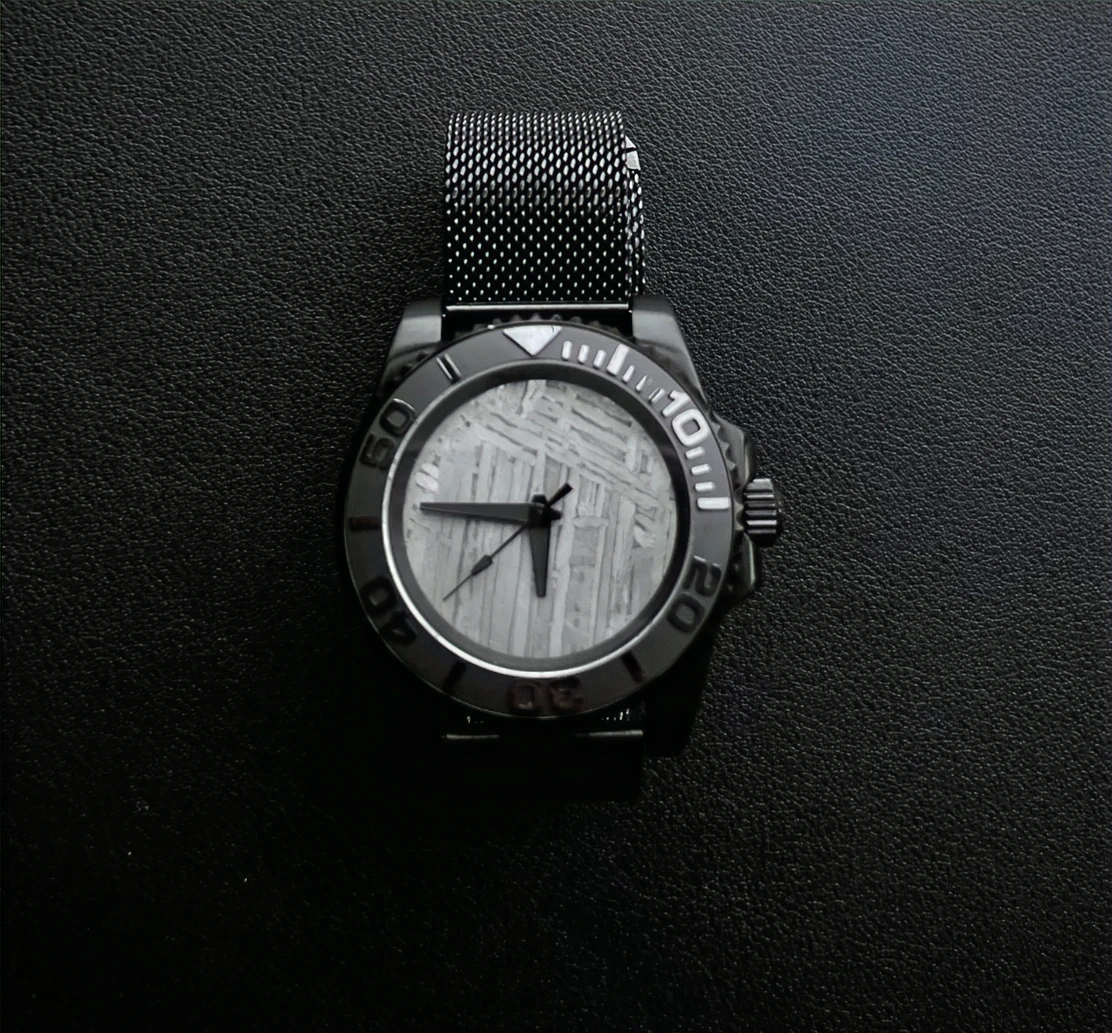
Opus changes the emotional temperature. A 40mm PVD gold case puts genuine Muonionalusta meteorite inside a warmer frame, while sapphire crystal and a 24-jewel automatic movement bring a more formal technical register. Solaris Nocturne moves the 40mm format into black with genuine Muonionalusta, black bezel and hands, rubber and metal bracelet options, and a 24-jewel automatic movement.
The point of the collection.
Moonveil Momentum is not about proving that four watches can share a logo. It is about proving that a brand can repeat principles without repeating itself: mechanical movement, material honesty, strong proportion, and meteorite dials. That is the Tempo idea in its simplest form. The object should feel composed before the story begins. The story brings you closer to the decisions behind the watch.
Back to essays

)%20(4).png)